

by Jean-Louis Hua
Influential Readings
Over the years, these books have shaped the foundations of my investment thinking. Each offered something different – a useful idea, a framework for analysis, or a practical insight – and I’ve kept what I found most relevant to build my own approach. Whether it’s understanding market expectations, assessing business quality, or managing risk, I still revisit several of these works to sharpen my thinking and refine my process over time.

Common Stocks and Uncommon Profits
Philip A. Fisher
Taught me to go beyond the numbers. I now pay more attention to product innovation, management quality, or competitive positioning, especially when looking for long-term compounders.
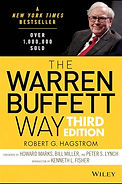
The Warren Buffett Way
Robert G. Hagstrom
Clarified what makes a great business: pricing power, capital allocation, or a moat. These remain key factors I look for when screening for high-quality companies.

Expectations Investing
Michael J. Mauboussin and Alfred Rappaport
Changed how I think about valuation. I now often start my analyses by a quick view on valuation, reverse-engineering the market’s assumptions and checking whether they’re offering a potential opportunity or if they're realistic.

The Intelligent Investor
Benjamin Graham
Reinforced the importance of mental discipline and patience. It taught me to ignore short-term fluctuations and stay focused on long-term fundamentals.

Security Analysis
Benjamin Graham and David Dodd
While helpful in understanding deep value principles, I felt the book is somewhat less applicable to today’s market environment.

The Bank Credit Analysis Handbook
Jonathan Golin and Philippe Delhaise
Gave me a clear framework for analyzing banks. I still use its checklist when assessing capital strength, funding mix, or credit exposure.

The Memos
Howard Marks
Deepened my understanding of cycles, investor psychology, and the role of risk – not as volatility, but as the potential for permanent capital loss.